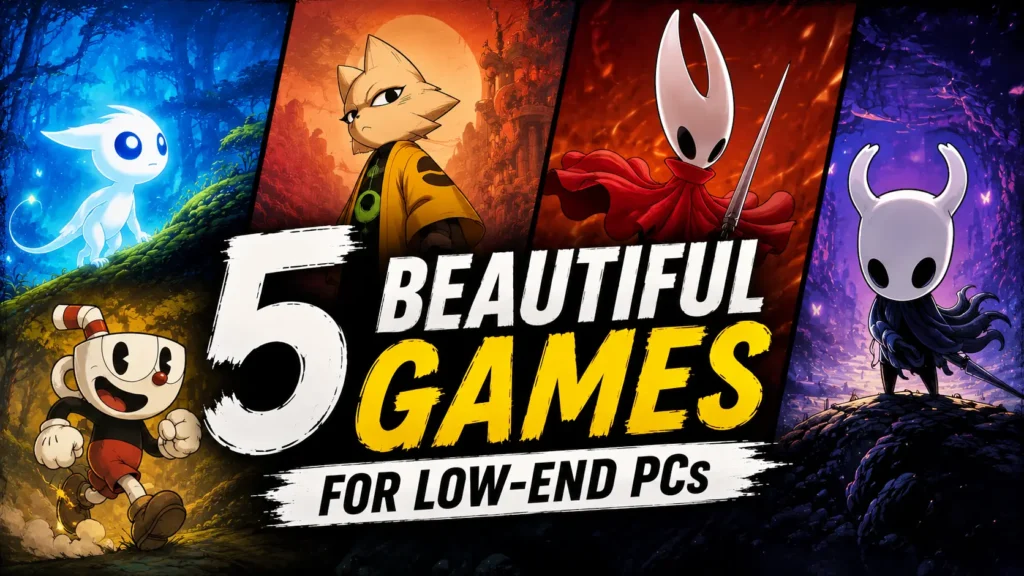
Low-end PC games are often far more memorable than many people expect.
Modern AAA games frequently require expensive hardware, massive downloads, and powerful graphics cards. But honestly, some of the most unforgettable gaming experiences I’ve had were on old laptops with weak integrated graphics.
A few years ago, I used to test and resell older laptops. Many of them were never designed for gaming at all. Some machines only had Intel integrated graphics, older AMD chips, or low-power processors that struggled with modern software.
At first, I assumed gaming on weak hardware would be extremely limited.
But after spending time searching for optimized indie games and lightweight titles, I realized something important:
Some games do not need realistic graphics or huge budgets to become unforgettable.
In fact, several games in this list gave me stronger emotions, better atmosphere, and more memorable moments than many modern AAA releases.
And the best part is that most of them can run surprisingly well even on older laptops.
So if you have an aging PC, a budget laptop, or simply want incredible games that do not require powerful hardware, these are some of the best titles you can play right now.
Why Some Indie Games Feel More Memorable Than AAA Titles
One thing many people underestimate is how important artistic direction really is.
A game does not need ultra-realistic graphics to look beautiful. Some of the best-looking titles ever made rely on atmosphere, hand-drawn visuals, creative animation, strong music, and smart world design instead of raw graphical power.
That is exactly why many indie games age better visually than some AAA releases.
A stylized game from years ago can still look incredible today because its identity was built around art style and creativity instead of hardware-heavy realism.
Another major advantage is optimization.
Many indie developers focus heavily on smooth gameplay, responsive controls, and efficient performance. Because of that, these games often run well even on weak systems while still delivering excellent experiences.
And honestly, once a game gives you amazing atmosphere, emotional storytelling, and satisfying gameplay, you stop caring about polygon counts very quickly.
Interestingly, modern AAA games are also starting to push VRAM usage much harder than before. I discussed this in more detail in my article about the RTX 3060 vs RTX 4060 long-term gaming comparison.
Ori and the Blind Forest
Ori and the Blind Forest is one of the most visually beautiful indie games ever created, and it is still hard to believe how well it runs on low-end hardware.
Even years after release, the visuals still feel magical.
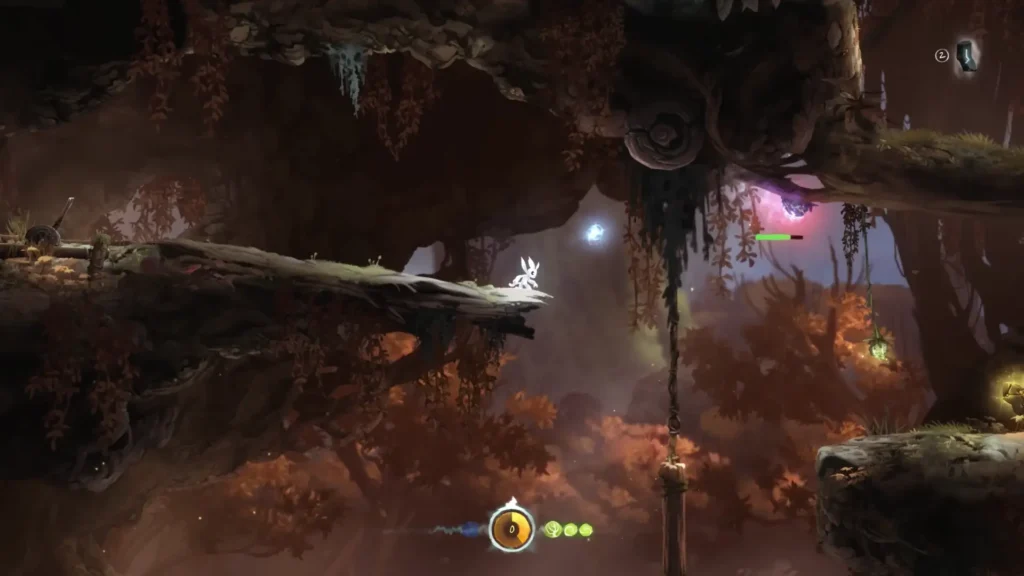
The lighting, colors, animations, and environmental effects create a world that feels alive almost immediately. Every location has its own mood, from glowing forests filled with warmth to darker underground areas that feel mysterious and dangerous.
But what makes the game truly special is not just the presentation.
The movement system feels incredibly smooth and satisfying.
Running, jumping, wall climbing, and escaping through dangerous environments becomes genuinely fun because the controls feel responsive and fluid.
Story and Atmosphere
Without revealing spoilers, the story focuses heavily on survival, emotional connection, and sacrifice.
What surprised me most was how emotional the experience becomes despite using relatively little dialogue. Much of the storytelling happens through music, animation, and environmental design instead of long cinematic cutscenes.
Some moments feel peaceful and relaxing.
Other sections suddenly become intense and stressful, especially during escape sequences where movement precision becomes critical.
Very few games balance beauty and tension this effectively.
Gameplay Style
Compared to other games in this list, Ori focuses much more on movement and platforming.
Combat exists, but exploration and traversal remain the core of the experience.
If you enjoy fast movement, emotional storytelling, and beautiful environments, this game is incredibly easy to recommend.
And most importantly, it performs surprisingly well even on older laptops with integrated graphics.
Cuphead
Cuphead is one of the most recognizable indie games ever made.
At first glance, it may look like a simple cartoon game.
But after a few minutes, you quickly realize how much effort and craftsmanship went into every single detail.
The visual style is absolutely incredible.
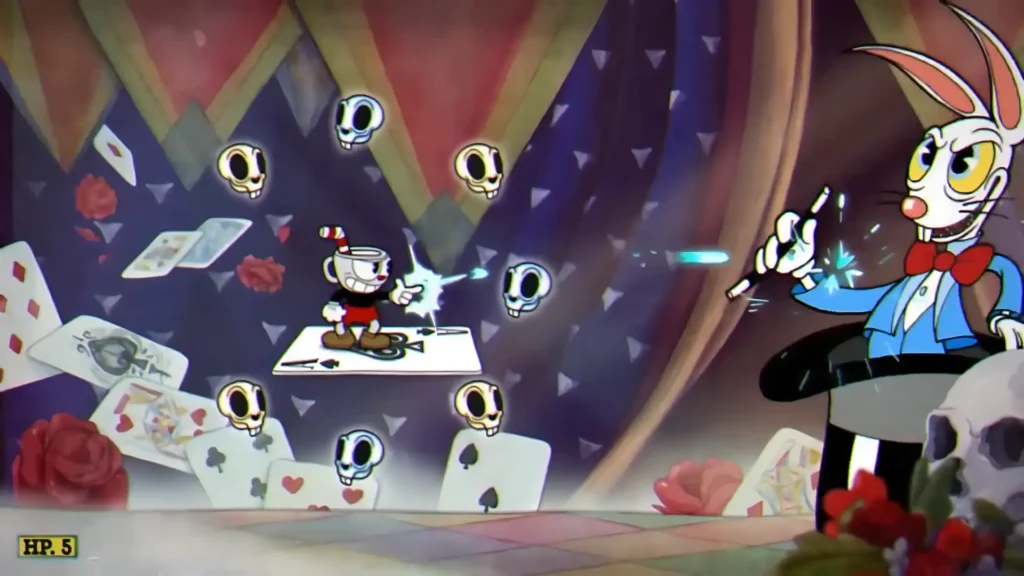
Everything is hand-drawn and heavily inspired by animated cartoons from the 1930s. The exaggerated animations, film grain effects, and jazz soundtrack create an identity that still feels completely unique today.
Honestly, there is still nothing quite like Cuphead.
Story and World Design
The story itself is relatively simple, but it perfectly matches the game’s tone and personality.
The world feels chaotic, funny, strange, and occasionally intimidating. Instead of focusing on deep cinematic storytelling, the game builds identity through memorable bosses, animation quality, and visual creativity.
Each boss fight feels unique.
Many enemies transform several times during encounters, introducing completely different attack patterns and visual chaos that constantly keeps you focused.
Gameplay Style
Compared to Ori, Cuphead is much more combat-focused.
Precision shooting, dodging, reaction timing, and pattern recognition become the core gameplay loop. The difficulty can become brutal at times, especially during later boss fights.
But that challenge is also what makes the game so satisfying.
Finally defeating a difficult boss after multiple failed attempts feels incredibly rewarding.
Unlike exploration-heavy games such as Hollow Knight, Cuphead focuses on intense standalone encounters and short action-heavy levels.
So if you enjoy skill-based gameplay, reaction-focused combat, and unique artistic design, Cuphead is absolutely worth playing.
And despite its impressive animation quality, it still runs very well on weaker PCs.
Nine Sols
Nine Sols became one of the biggest surprises I experienced in recent years.
At first, it may look like another indie action platformer.
But after spending a few hours with it, it becomes obvious that the game has something truly special.
The art style immediately stands out.
The developers combined futuristic sci-fi technology with Asian mythology and traditional artistic influences, creating a world that feels fresh and different from most modern games.
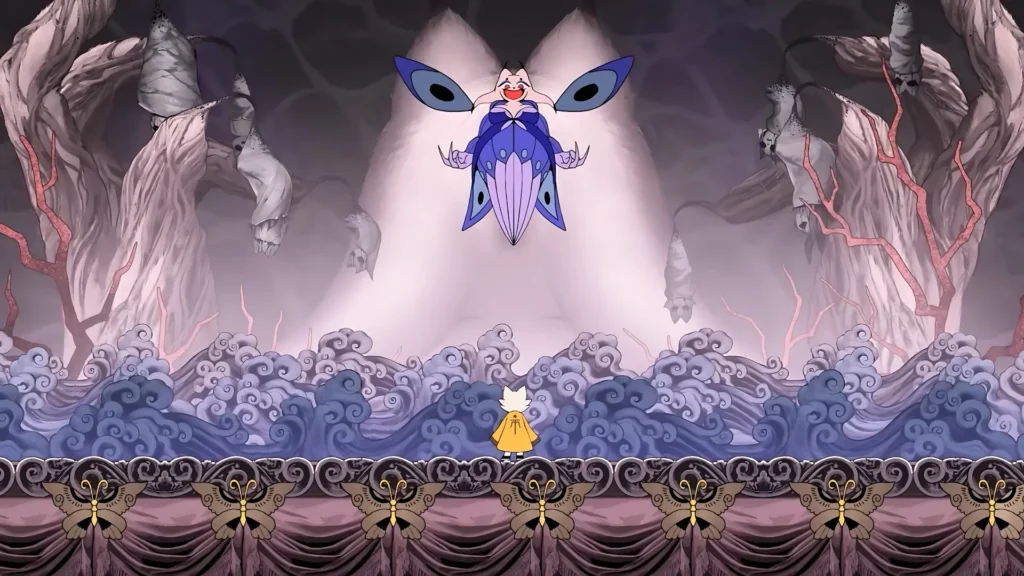
Some environments feel peaceful and elegant.
Others feel lonely, dark, and dangerous.
The soundtrack also plays a massive role in building atmosphere, especially during emotional or intense moments.
Story and World
Without spoiling important moments, the game introduces a mysterious civilization shaped by advanced technology, ancient traditions, and dangerous enemies.
The storytelling becomes surprisingly engaging because the world constantly raises questions.
Who created this place?
What happened to the civilization?
Why does everything feel both futuristic and ancient at the same time?
That mystery makes exploration extremely compelling.
Gameplay Style
This is where Nine Sols becomes very different from the other games in this list.
The combat heavily emphasizes timing and parrying, similar to games like Sekiro: Shadows Die Twice.
Instead of button mashing, you need to carefully study enemy attacks, react quickly, and punish mistakes at the right moment.
Because of that, the combat feels extremely satisfying once you fully understand the mechanics.
Boss fights are also one of the strongest parts of the experience.
Many encounters require patience, focus, and precision, but they rarely feel unfair.
Compared to Hollow Knight, Nine Sols feels faster and more aggressive during combat. Compared to Ori, it is much more action-focused and mechanically challenging.
And visually, the game honestly looks far better than many people expect from a 2D indie title.
Hollow Knight: Silksong
Hollow Knight: Silksong feels significantly faster and more dynamic compared to the original Hollow Knight.
The movement system is smoother, traversal feels more agile, and combat encourages a more aggressive playstyle.
Animations also look more advanced.
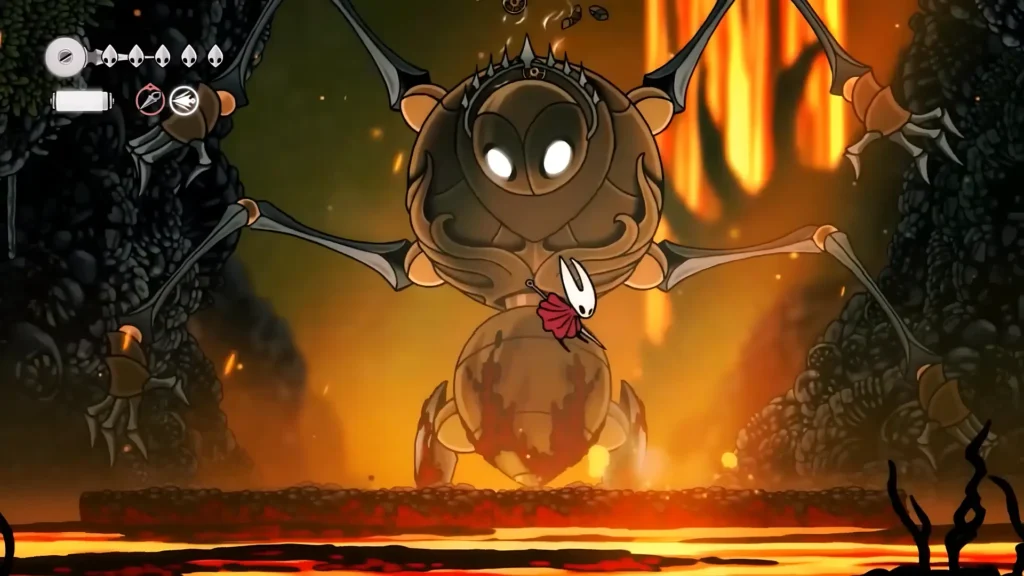
Enemy behavior feels more active, environments are more colorful, and the overall pacing feels modernized in many ways.
The world itself feels more energetic compared to the darker atmosphere of the original game.
Story and Atmosphere
Without revealing spoilers, the game follows Hornet through an entirely new kingdom filled with unfamiliar enemies, mysterious locations, and dangerous bosses.
The atmosphere still feels mysterious, but it is noticeably different from the first game.
The original Hollow Knight often felt lonely and melancholic.
Silksong feels more vibrant, active, and movement-driven.
That tonal difference helps both games feel unique instead of repetitive.
Gameplay Style
One of the biggest differences is combat flow.
Hornet moves much faster than the Knight from the original game, which completely changes how encounters feel.
Combat becomes more fluid and offensive.
Movement abilities also create more vertical and dynamic gameplay opportunities, making traversal feel faster and smoother overall.
Boss fights remain one of the strongest parts of the experience.
The encounters look visually spectacular while also demanding quick reactions and mechanical skill.
Compared to Nine Sols, Silksong focuses less on strict parry timing and more on fluid mobility and offensive pressure.
And despite looking visually impressive, the game still remains accessible for relatively modest hardware.
Hollow Knight
Hollow Knight is honestly one of my favorite games of all time.
And not just among indie games.
Among all games.
Very few titles create atmosphere as effectively as Hollow Knight.
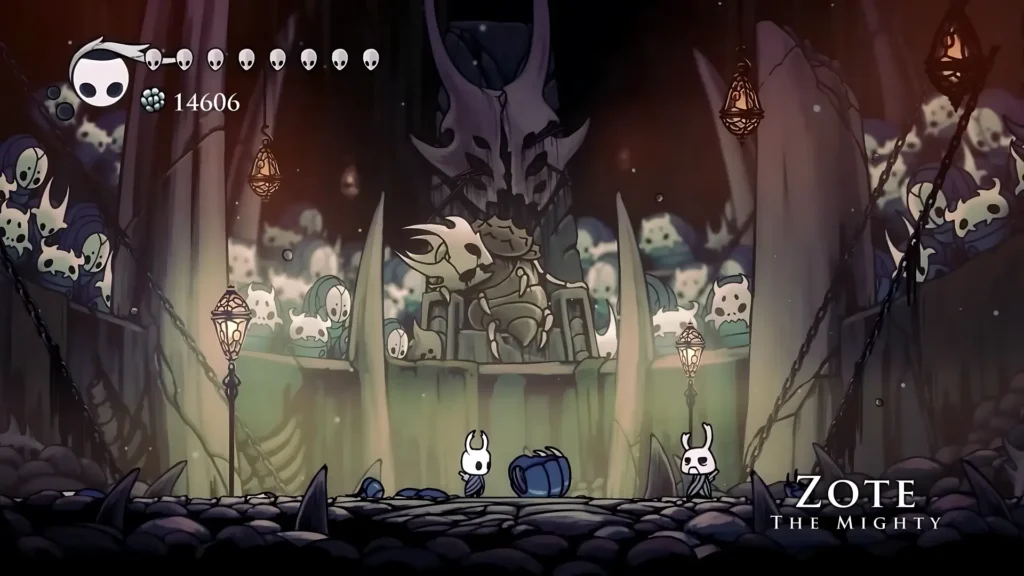
From the moment you enter Hallownest, the world feels mysterious, ancient, and strangely alive. Every location has its own identity, soundtrack, enemies, and emotional tone.
Some areas feel peaceful and beautiful.
Others feel lonely, dangerous, or emotionally heavy.
The soundtrack is absolutely incredible and plays a huge role in building the game’s identity. Even years later, some music tracks remain instantly recognizable.
Story Without Spoilers
One of the most impressive things about Hollow Knight is how naturally the world encourages curiosity.
The game rarely explains everything directly.
Instead, players slowly uncover the history of Hallownest through exploration, hidden conversations, environmental details, and mysterious characters.
That approach makes the world feel believable and immersive.
You constantly want to learn more.
Who were these characters?
What destroyed this kingdom?
Why does everything feel so tragic and beautiful at the same time?
The game trusts players to discover answers naturally, which makes the storytelling feel far more memorable.
Gameplay Style
Compared to Ori, Hollow Knight focuses much more on exploration and combat depth.
Compared to Cuphead, it gives players a massive interconnected world instead of isolated boss encounters.
Compared to Nine Sols, the pacing is slower and more atmospheric.
And compared to Silksong, the original game feels darker, lonelier, and emotionally heavier.
Exploration is honestly one of the best parts of the experience.
You constantly discover hidden pathways, secret bosses, unexpected locations, upgrades, and optional areas that many players may never even find during their first playthrough.
The sense of discovery never disappears.
And despite the massive world, the game runs incredibly well even on older hardware.
That is one of the reasons Hollow Knight became so popular among players with weaker PCs and laptops.
It proves that incredible game design matters far more than expensive graphics technology.
Why These Games Work So Well on Weak Hardware
One thing all these games have in common is smart, artistic design.
Instead of focusing purely on realism, they focus on atmosphere, responsiveness, music, storytelling, and memorable gameplay systems.
That approach allows them to age much better visually while also remaining accessible to people without expensive gaming setups.
And honestly, this is something many AAA developers could learn from.
A game does not need photorealistic graphics to become unforgettable.
Some of the strongest gaming experiences come from excellent world design, emotional storytelling, satisfying gameplay systems, and unique artistic identity.
That is exactly why these games remain so memorable years later.
Final Thoughts
Weak laptops are not useless for gaming.
You simply need the right games.
Frankly, titles like Ori and the Blind Forest, Cuphead, Nine Sols, Hollow Knight: Silksong, and Hollow Knight prove that incredibly well.
These games offer unforgettable worlds, fantastic soundtracks, emotional moments, and excellent gameplay without requiring expensive hardware.
In many ways, they also demonstrate something important about modern gaming:
Graphics alone do not create unforgettable experiences.
Atmosphere, gameplay, music, exploration, and artistic identity matter much more.
And if somebody still thinks 2D games are outdated or boring, Hollow Knight alone could probably completely change their mind.