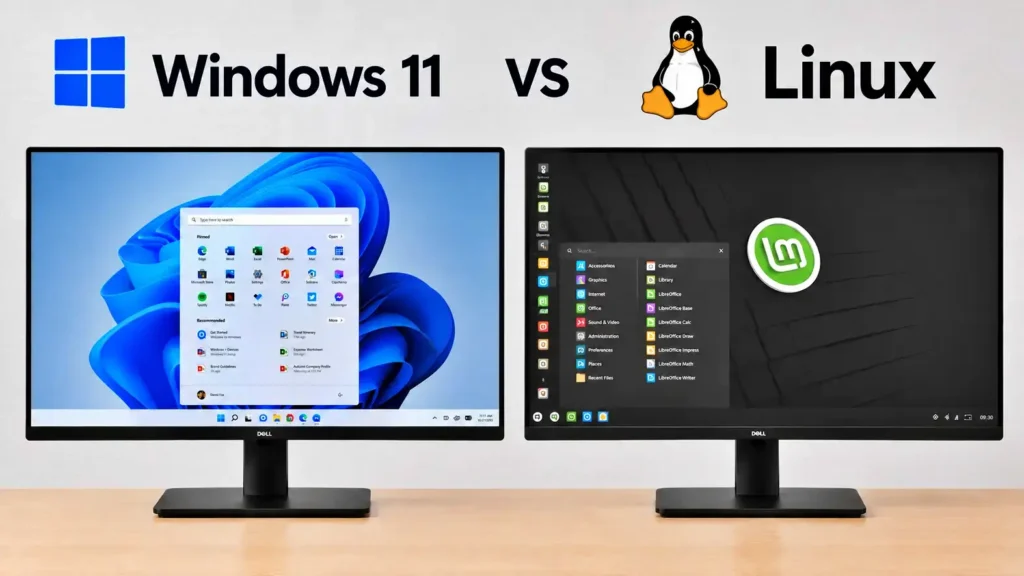
Windows 11 vs Linux has become one of the biggest questions for PC users who care about gaming, performance, privacy, and older hardware.
For a very long time, the desktop PC world felt simple.
If you wanted:
- maximum game compatibility;
- the easiest software support;
- plug-and-play hardware;
- and the “default” PC experience,
you used Windows.
Meanwhile, Linux was often seen as something mainly for:
- programmers;
- servers;
- developers;
- or hardcore enthusiasts willing to spend hours inside a terminal.
But honestly, the situation changed dramatically over the last few years.
The last few years became one of the most interesting periods for desktop operating systems in a very long time.
For the first time in years, many average users are seriously asking questions like:
- Is Windows 11 actually getting worse?
- Is Linux finally good for gaming?
- Should I switch from Windows 11?
- Can Linux replace Windows for everyday use?
- Is Linux better for old PCs?
And honestly, after spending time with both operating systems on different systems — including gaming PCs, old laptops, budget desktops, and content creation setups — I think the answer is no longer as obvious as it used to be.
Windows 11 is still the easiest and most compatible option for most people.
But Linux is no longer just a niche operating system for technical users.
In some situations, it is now genuinely the better choice.
Why Windows 11 Started Receiving More Criticism
When Windows 11 launched, many people expected it to become a cleaner and more polished version of Windows 10.
Instead, over time, criticism slowly started growing.
And honestly, much of it was understandable.
Hardware Requirements Frustrated Millions of Users
One of the biggest controversies was definitely hardware support.
Microsoft introduced:
- TPM 2.0 requirements;
- stricter CPU support;
- and more aggressive hardware checks.
This instantly affected millions of older PCs that were still perfectly usable.
And honestly, this became one of the biggest reasons many users first started looking at Linux.
Because suddenly:
- older laptops;
- office PCs;
- budget gaming systems;
- and perfectly functional desktops
felt artificially outdated.
Meanwhile, many Linux distributions continued running surprisingly well on exactly the same hardware.
Windows 11 Became Heavier Over Time
Another major criticism is that Windows 11 increasingly feels heavier than older Windows versions.
Many users noticed:
- higher RAM usage;
- more background services;
- telemetry;
- cloud integrations;
- and AI-related features.
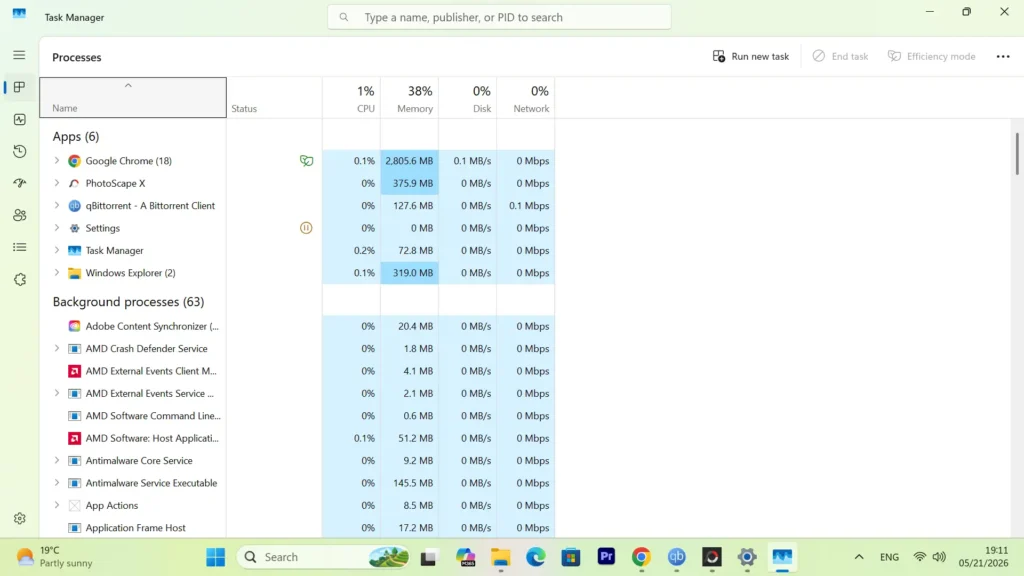
On powerful modern PCs this may not matter much.
But on:
- older systems;
- low-end laptops;
- or 4GB and 8GB RAM machines,
the difference becomes very noticeable.
And honestly, this is where Linux started becoming much more attractive again.
The Growing Frustration With Telemetry and AI Features
Privacy became another huge discussion.
Windows 11 received criticism for:
- telemetry;
- cloud dependency;
- Microsoft account integration;
- advertising elements;
- and AI features many users never asked for.
And honestly, this became one of the biggest reasons people started researching Linux.
Because many users began feeling that modern Windows was becoming:
- too intrusive;
- too connected to Microsoft services;
- and increasingly difficult to fully control.
Some users do not care about this at all.
Others absolutely hate it.
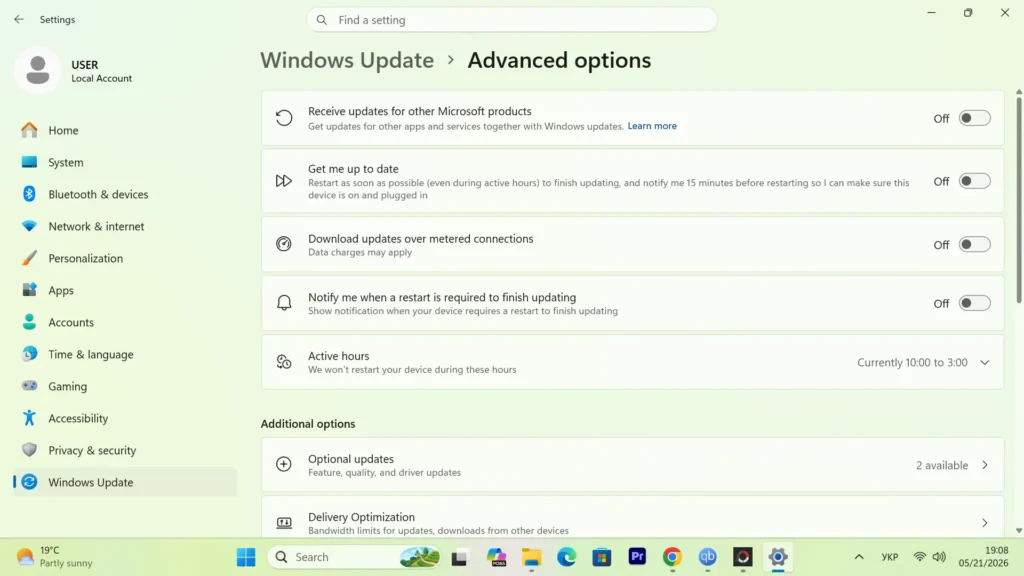
Many Users Now Debloat Windows 11
One very interesting recent trend is the rise of Windows debloating.
A huge number of users now use:
- Tiny11;
- AtlasOS;
- custom scripts;
- telemetry removal tools;
- and lightweight Windows tweaks.
And honestly, this alone says a lot about how people currently feel about Windows 11.
Because many users are actively trying to make Windows:
- lighter;
- cleaner;
- faster;
- and less intrusive.
Linux Is No Longer the Linux Most People Remember
This is probably the biggest thing many Windows users still do not fully realize.
Modern Linux distributions are dramatically easier to use than they were years ago.
And honestly, this changed everything.
A long time ago, Linux often required:
- terminal commands;
- manual driver installation;
- complicated troubleshooting;
- and deep technical knowledge.
Today, many Linux distributions feel surprisingly polished.
Especially:
- Linux Mint;
- Zorin OS;
- Ubuntu;
- Fedora;
- Bazzite;
- and Nobara.
Some of them honestly feel cleaner than modern Windows.
Linux Desktop Environments Improved Dramatically
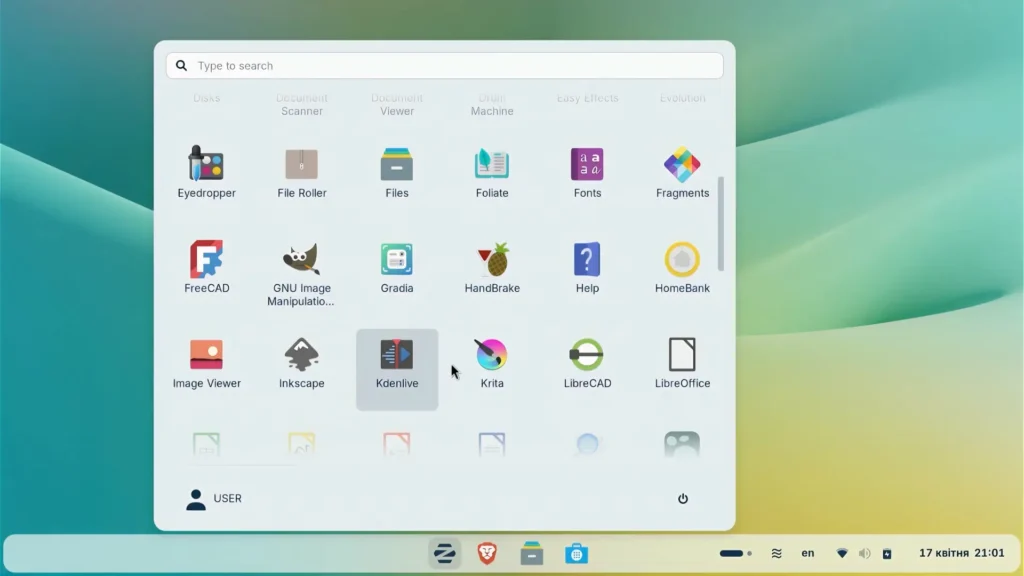
Modern Linux desktop environments are much more polished than many people expect.
Distributions like Linux Mint and Zorin OS now offer:
- modern interfaces;
- simple app stores;
- automatic updates;
- driver managers;
- and very user-friendly installation processes.
And honestly, many first-time Linux users are surprised by how normal the experience feels today.
Especially for:
- browsing;
- YouTube;
- office work;
- media consumption;
- and lightweight gaming.
Zorin OS Pro Desktop EnvironmentSteam Deck Completely Changed Linux Gaming
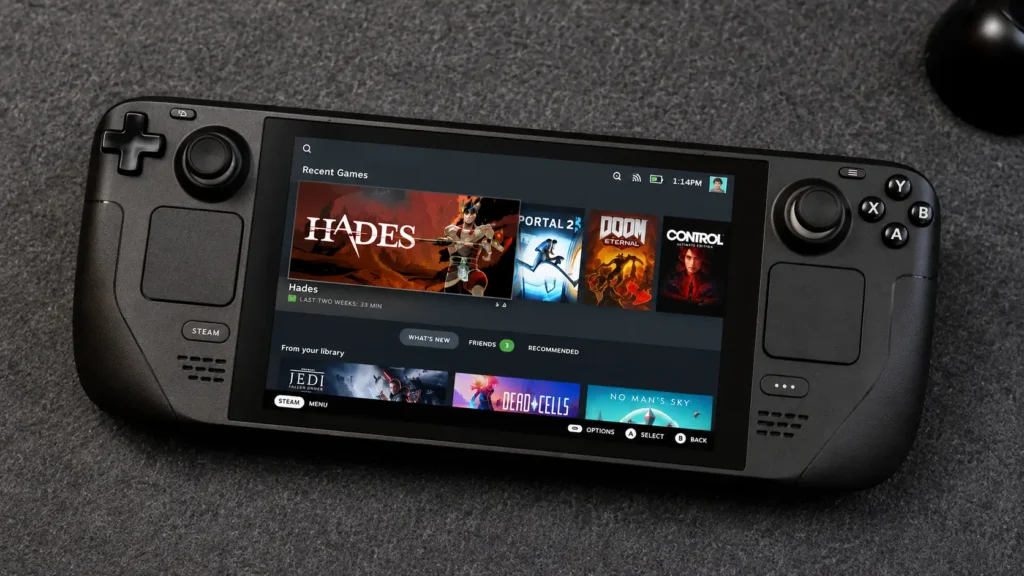
This is probably one of the biggest reasons Linux gaming exploded in popularity.
When Valve released the Steam Deck, many people suddenly realized something surprising:
Linux gaming was no longer terrible.
Valve invested heavily into:
- Proton;
- Vulkan;
- Linux compatibility;
- and gaming optimization.
And honestly, Proton completely changed Linux gaming.
Proton Made Linux Gaming Much More Realistic
Years ago, Linux gaming compatibility was often frustrating.
Many games simply did not work properly.
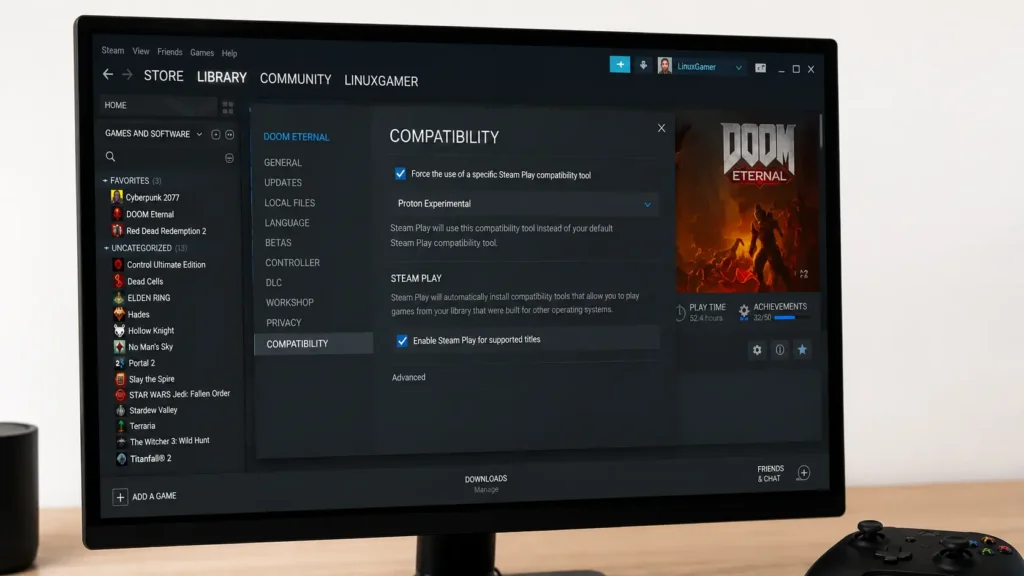
But Proton dramatically improved compatibility for thousands of Windows games.
Today, many popular titles work surprisingly well on Linux.
And honestly, this would have sounded almost impossible several years ago.
Games like:
- Cyberpunk 2077;
- The Witcher 3;
- Elden Ring;
- Baldur’s Gate 3;
- and many indie games
can run surprisingly well through Proton.
In some situations, performance is even very close to Windows.
Many Linux gamers now use ProtonDB to quickly check how well Windows games run through Proton on Linux.
Wine Still Plays a Huge Role
Even though Proton receives most of the attention today, Wine still remains one of the most important technologies behind Linux compatibility.
In fact, Proton itself heavily relies on Wine technologies.
Over the years, Wine improved dramatically.
And honestly, many older Windows applications now work surprisingly well on Linux systems.
This is one reason why Linux compatibility improved so much over time.
Because modern Linux gaming is no longer built entirely from scratch.
It evolved through years of Wine development and compatibility improvements.
Linux Gaming Is Much Better — But Still Not Perfect
It is important to be honest here.
Linux gaming improved massively.
But it is still not perfect.
Problems still exist with:
- anti-cheat systems;
- launchers;
- some multiplayer games;
- certain DirectX 12 implementations;
- and random compatibility issues.
And honestly, this is still one of the biggest reasons many gamers remain on Windows.
Because even if Linux gaming works “most of the time,” many users simply want:
- maximum compatibility;
- minimal troubleshooting;
- and guaranteed support.
Windows still provides that more consistently.
Anti-Cheat Is Still One of Linux Gaming’s Biggest Problems
This is especially important for competitive multiplayer games.
Some anti-cheat systems still create major problems on Linux.
Games using:
- kernel-level anti-cheat;
- proprietary launchers;
- or strict online protections
may simply not work correctly.
And honestly, this is one of the biggest practical reasons many competitive gamers still avoid Linux.
For single-player gaming, Linux is often excellent now.
But for multiplayer anti-cheat games, Windows still has a major advantage.
Windows Is Still Better for Plug-and-Play Gaming
Objectively, Windows 11 still remains the easiest gaming operating system overall.
Especially for:
- Game Pass;
- anti-cheat compatibility;
- gaming peripherals;
- NVIDIA ecosystem tools;
- and mainstream software support.
If someone simply wants:
- maximum compatibility;
- minimal troubleshooting;
- and the easiest experience possible,
Windows is still usually the safer option.
And honestly, this is why most gamers still use Windows today.
Linux Gaming Finally Feels “Good Enough” for Many Users
But something important changed recently.
Linux gaming no longer feels like a strange experiment.
For many users, it now feels genuinely usable.
Especially for:
- Steam games;
- indie games;
- emulation;
- older AAA titles;
- and single-player gaming.
This is exactly why Linux gaming communities became much larger over the last few years.
Linux Often Feels Faster on Older PCs
This is probably one of Linux’s biggest strengths today.
After testing older laptops and office PCs over time, I repeatedly noticed something interesting:
Linux often feels dramatically lighter.
Especially distributions like:
- Linux Mint XFCE;
- Lubuntu;
- Zorin OS Lite;
- and MX Linux.
Older systems that struggle under Windows 11 can suddenly feel surprisingly smooth again.
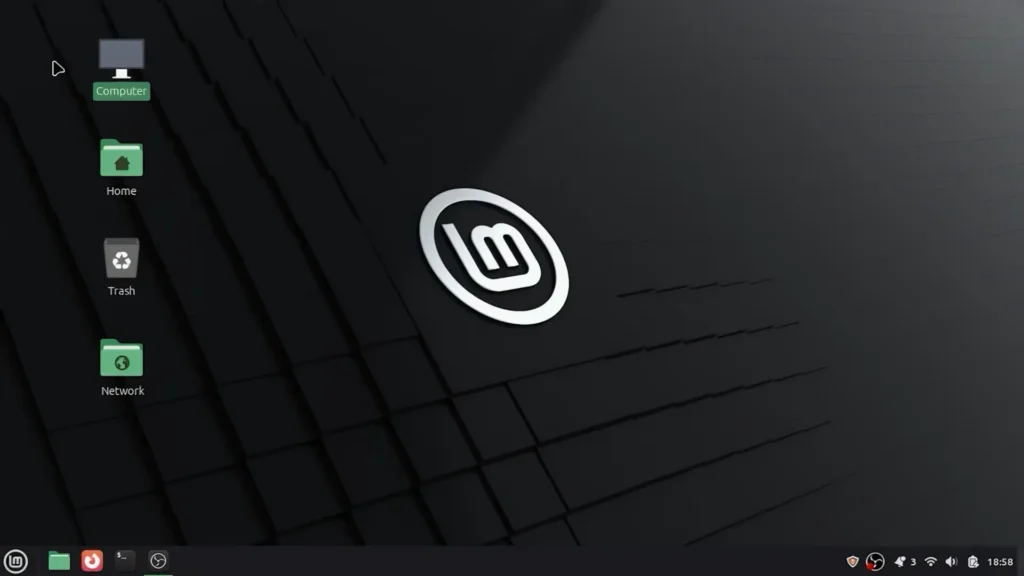
Modern Linux distributions like Linux Mint offer a clean and lightweight desktop experienceWhy Linux Performs Better on Old Hardware
There are several reasons for this.
Linux distributions often:
- use fewer background processes;
- consume less RAM;
- avoid heavy telemetry;
- and support lightweight desktop environments.
This can make a huge difference on:
- dual-core CPUs;
- older Intel systems;
- 4GB RAM laptops;
- or aging SATA SSD systems.
And honestly, this is one of the main reasons Linux became so popular again recently.
Because many people simply want to keep their old hardware usable longer.
For some users, lightweight Linux distributions are not the only alternative for older hardware. Chrome OS Flex also became a surprisingly good option for basic browsing, media consumption, and office work on aging laptops.
Stability Became a Bigger Discussion
Another interesting trend is stability.
Windows 11 received criticism in recent years because of:
- broken updates;
- gaming regressions;
- random bugs;
- and UI inconsistencies.
And honestly, many users became tired of constantly worrying about updates breaking something.
Linux Often Feels More Predictable
Especially stable Linux distributions.
Systems like:
- Linux Mint;
- Ubuntu LTS;
- Debian-based distros;
- and Fedora
often feel:
- calmer;
- more predictable;
- and less intrusive.
And honestly, many users who switch to Linux describe the experience as:
“peaceful.”
Which is actually a very interesting description.
But Linux Stability Depends on the Distribution
This is also important.
Linux is not one single operating system.
Some Linux distributions prioritize:
- maximum stability;
while others focus on: - newer packages;
- bleeding-edge features;
- and faster updates.
For example:
- Linux Mint is generally extremely stable;
- while Arch Linux can require much more maintenance.
So the Linux experience heavily depends on which distro you choose.
Wayland Is Slowly Improving the Linux Desktop Experience
Another important change is the gradual transition from X11 to Wayland.
And honestly, this matters more than many people realize.
Wayland is helping improve:
- modern desktop responsiveness;
- multi-monitor support;
- touchpad behavior;
- HDR support;
- VRR support;
- and overall graphical smoothness.
The Linux desktop ecosystem is still evolving here.
But compared to several years ago, modern Linux desktops feel much more polished now.
Privacy Is One of Linux’s Biggest Advantages
This is probably where Linux wins most clearly.
Many users became increasingly uncomfortable with:
- telemetry;
- AI integration;
- cloud dependency;
- and data collection in Windows 11.
And honestly, this became a huge reason people started researching Linux.
Linux Gives Users More Control
Because Linux is open-source, users generally have:
- more transparency;
- more customization;
- and more system control.
There are fewer forced online integrations.
Fewer ads.
Less aggressive telemetry.
And honestly, many users simply appreciate having a cleaner operating system.
But More Control Also Means More Responsibility
This is something Linux enthusiasts sometimes forget to mention.
Linux gives users more freedom.
But sometimes that also means:
- more manual configuration;
- more troubleshooting;
- and a steeper learning curve.
For beginners, Windows can still feel easier overall.
Especially if they rely heavily on:
- Microsoft ecosystem apps;
- Adobe software;
- specialized tools;
- or certain hardware drivers.
NVIDIA vs AMD on Linux
This is another interesting topic.
Historically, AMD GPUs often worked better on Linux because of stronger open-source driver support.
Meanwhile, NVIDIA on Linux sometimes felt less smooth.
However, NVIDIA support improved significantly in recent years.
And honestly, Linux gaming is now much better on both AMD and NVIDIA hardware than it used to be.
Still, many Linux enthusiasts continue preferring AMD GPUs because of:
- Mesa drivers;
- open-source ecosystem integration;
- and generally smoother Linux compatibility.
Why Many Content Creators Still Prefer Windows
This is one area where Windows remains extremely strong.
Applications like:
- Adobe Premiere Pro;
- Photoshop;
- After Effects;
- and many professional creator tools
still work much better on Windows.
And honestly, for many creators, this alone is enough reason to stay on Windows.
Linux alternatives exist.
But for professional workflows, they still do not fully replace the Adobe ecosystem.
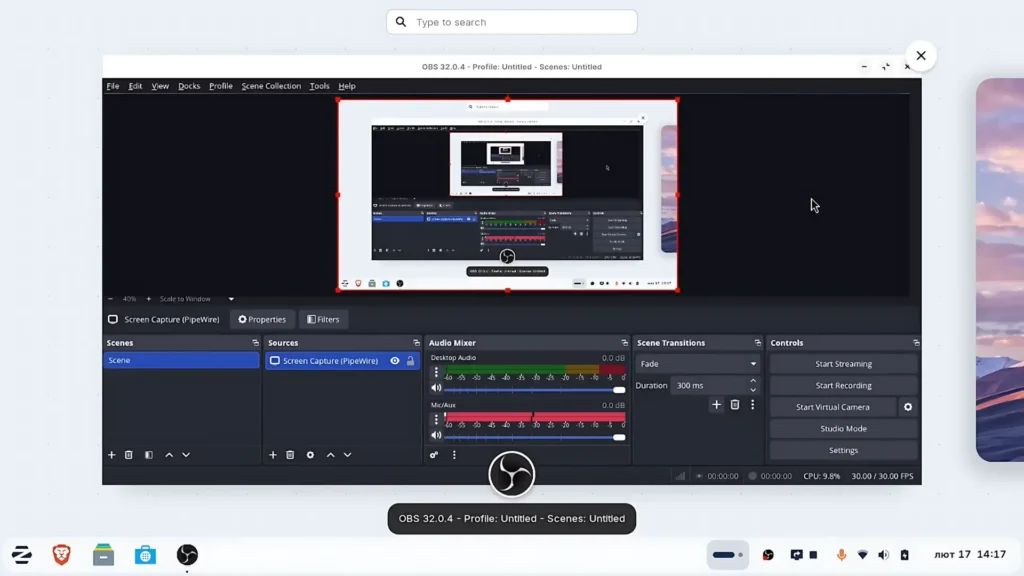
OBS and Creator Tools Work Well on Linux — But Windows Still Feels Easier
Interestingly, tools like:
OBS Studio
actually work surprisingly well on Linux today.
But once you start adding:
- plugins;
- hardware acceleration;
- audio devices;
- creator ecosystems;
- and Adobe workflows,
Windows still generally feels more convenient for most creators.
Linux Is Becoming More Attractive for Everyday Users
At the same time, many people no longer need heavy Windows-only software.
For:
- browsing;
- YouTube;
- office work;
- media consumption;
- programming;
- and lightweight gaming,
Linux is often perfectly fine today.
And honestly, many modern Linux distributions feel far more polished than many Windows users expect.
The Rise of Gaming Linux Distributions
One very interesting recent trend is the rise of gaming-focused Linux distros.
Systems like:
- Bazzite;
- Nobara;
- and SteamOS-inspired distributions
focus heavily on gaming usability.
And honestly, this makes Linux much more approachable for gamers.
Because users no longer need to manually configure everything themselves.
Who Should Actually Switch to Linux?
Honestly, Linux makes the most sense if:
- you have older hardware;
- care strongly about privacy;
- mostly use browsers and lightweight apps;
- enjoy customization;
- or want a cleaner operating system.
Linux can also make a lot of sense for:
- developers;
- programmers;
- and many single-player gamers.
Who Should Probably Stay on Windows?
Windows still makes more sense if:
- you rely on Adobe software;
- play anti-cheat multiplayer games;
- use Game Pass heavily;
- want maximum compatibility;
- or simply do not want to troubleshoot anything.
And honestly, there is nothing wrong with that.
For many people, Windows still remains the easiest and most practical option overall.
So… Is Linux Finally Replacing Windows?
Honestly?
Not completely.
At least not yet.
Windows still dominates:
- mainstream gaming;
- creator software;
- business environments;
- and overall consumer usage.
But Linux is no longer a niche curiosity either.
For many users, it is now a genuinely realistic alternative.
Especially for:
- older PCs;
- privacy-focused users;
- Linux enthusiasts;
- and gamers willing to accept some compromises.
Final Thoughts
The last few years became some of the most interesting years for desktop operating systems in a very long time.
For the first time in years, many users are seriously reconsidering whether Windows is still automatically the best option for everyone.
And honestly, I think that is healthy for the PC ecosystem.
Because competition forces platforms to improve.
Windows 11 still remains the best overall choice for:
- maximum compatibility;
- plug-and-play gaming;
- and mainstream usability.
But Linux is no longer just an operating system for programmers.
It became:
- more polished;
- more user-friendly;
- more gaming-capable;
- and dramatically more realistic for everyday users.
Especially for older PCs, Linux now makes more sense than ever.
And honestly, I think many people would be genuinely surprised by how good modern Linux distributions have become.
Not because Linux completely replaced Windows.
But because for the first time in years, many users finally have a real choice.